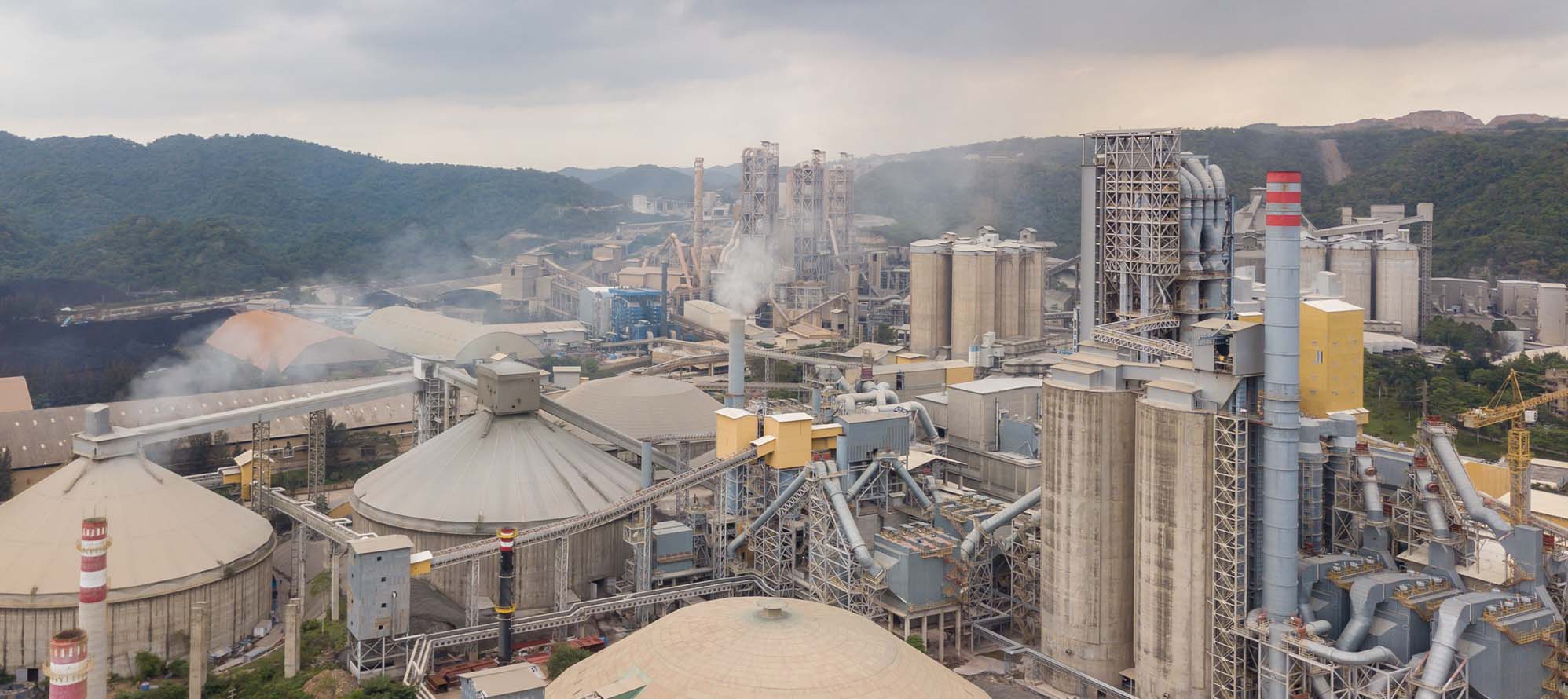
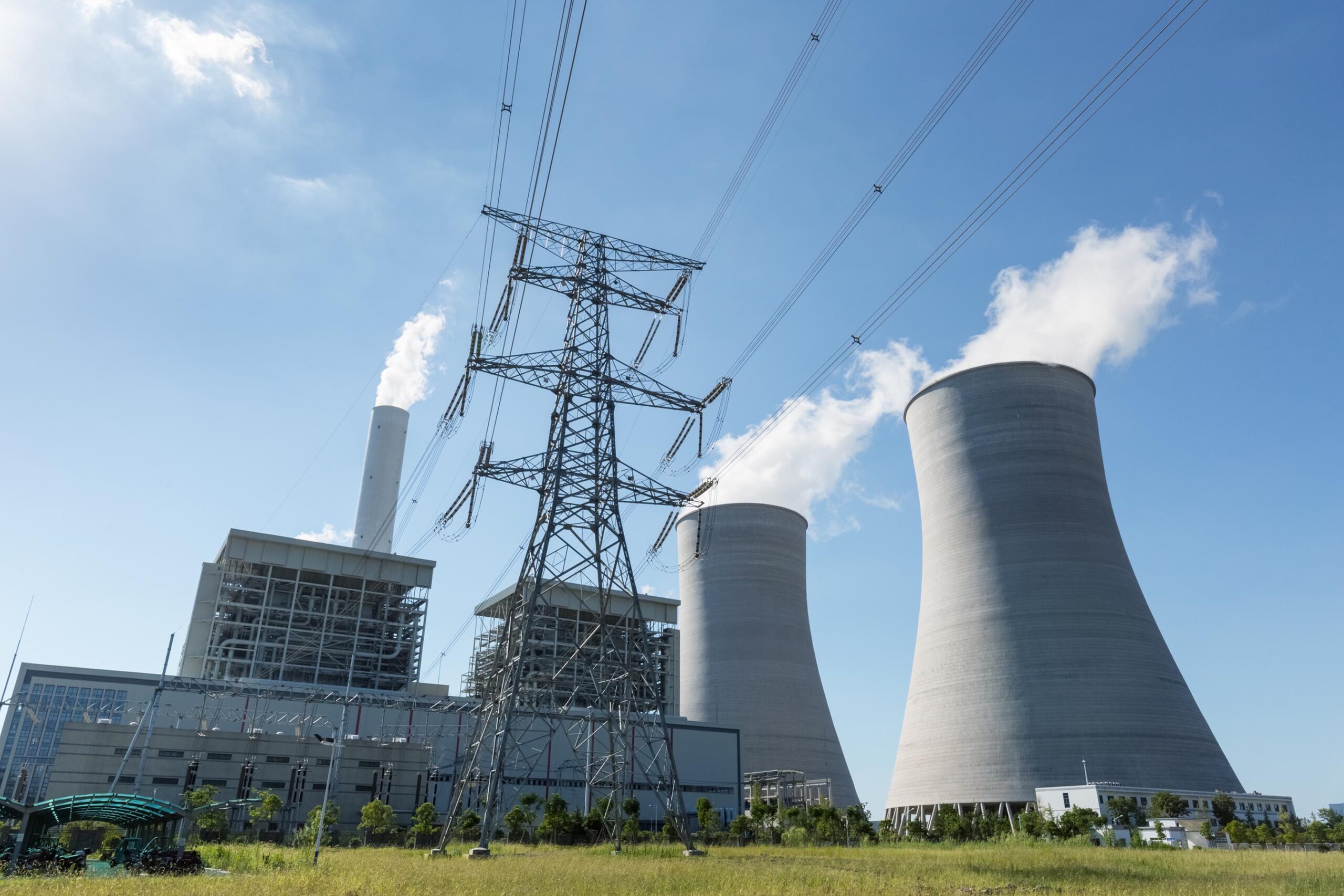
CO2Tech was engaged by a confidential Australian steel-industry client to assess how an integrated steel manufacturing facility could reduce its greenhouse gas emissions.
The study examined energy efficiency, low-emission technologies, hydrogen, steelworks waste-gas utilisation, carbon capture, CO₂ transport and geological storage. Drawing on CO2CRC research and technical methods, CO2Tech developed a staged pathway to help the client compare the available options and prioritise further technical and commercial work.
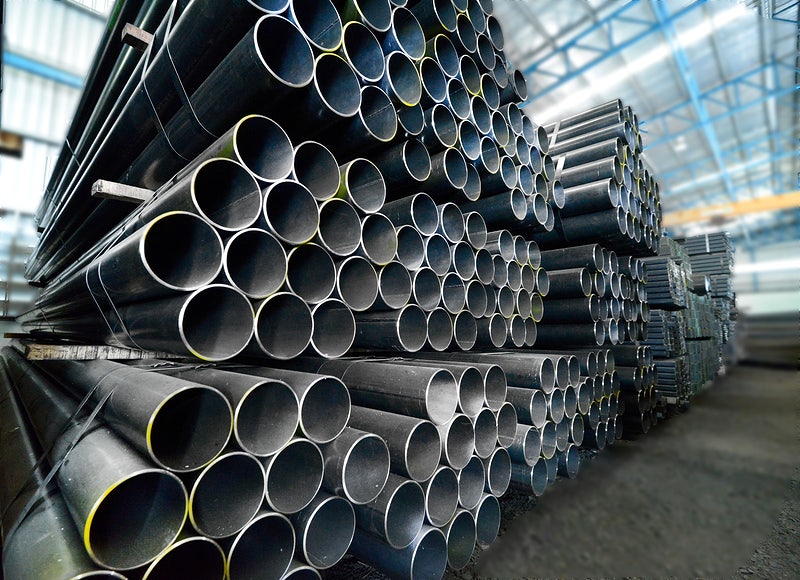
Project goal: comparing steel decarbonisation pathways
To identify and compare practical pathways for reducing emissions from an integrated steel manufacturing facility, including energy efficiency, carbon capture, carbon utilisation, CO₂ transport and geological storage.
Client
Iron and Steel manufacturer/State Government
Asset
A steel manufacturing plant needing to deal with their CO2 emissions and evaluate best options for CO2 utilisation and/or sequestration
Location
Onshore Australia
Steel decarbonisation at a glance
For steelmakers weighing up carbon capture, utilisation and storage, this study showed that:
- No single technology does the job. Energy efficiency, waste-gas utilisation, hydrogen and CO₂ capture each address different emissions sources and work best as an integrated, staged pathway.
- Transport is a major cost lever. Matching the CO₂ transport route (truck or pipeline) to the project’s scale cut modelled transport costs by around 40–50% and materially lowered the cost of CO₂ avoided.
- Waste gases are an asset, not just an emission. Steelworks off-gases can be redirected to power generation or value-added chemicals, improving project economics alongside emissions cuts.
- A staged roadmap de-risks investment. Comparing options on a like-for-like basis gave the client an evidence-based sequence for feasibility work and capital decisions under the Safeguard Mechanism.
The steel decarbonisation challenge
Integrated steel production generates emissions from several sources, each with different operating conditions and carbon-capture requirements.
The client needed to understand how a combination of technologies could contribute to its emissions-reduction objectives. This required more than evaluating individual technologies in isolation: capture, utilisation, transport and storage options needed to be considered as parts of an integrated pathway.
CO2Tech was asked to identify the most promising opportunities and provide a practical basis for progressing them.
How CO2Tech assessed carbon capture, utilisation and storage options
CO2Tech led a multidisciplinary assessment covering the steelworks’ principal emissions sources and potential decarbonisation pathways.
The work included:
-
Characterising major emissions sources across the integrated steel manufacturing facility.
-
Evaluating emerging technologies and energy-efficiency measures that could reduce steelmaking emissions.
-
Assessing opportunities to use steelworks waste gases for power generation, biochemical conversion and value-added products.
-
Considering the potential role of hydrogen and other lower-emission technologies in steel production.
-
Evaluating CO₂ capture options for the facility’s major emissions sources.
-
Comparing potential CO₂ transport pathways, including truck and pipeline options.
-
Assessing the viability of geological storage pathways for captured CO₂.
-
Bringing the findings together into a staged emissions-reduction pathway for further evaluation.
Benefits for the steelmaker
Reducing emissions
CO2Tech provided significant information and roadmap to reduce steel making emissions.
Alternate competitive usage
CO2Tech provided the client with an expert analysis of using steel plant waste gas for producing value added chemicals and the use of hydrogen.
Emissions roadmap
CO2Tech provided the client with the technical analysis needed to implement emission reduction technologies and an implementation roadmap.
Cost/Benefit analysis
CO2Tech provided detailed information on waste gas utilisation pathways, CO2 reduction and waste gas utilisation power generation vs biochemical process. CO2Tech provided options for CO2 transport, including the feasibility of using trucks and pipelines.
Outcomes: a staged emissions-reduction pathway
CO2Tech provided the client with an evidence-based comparison of emissions-reduction opportunities across the steelmaking value chain.
The assessment:
-
Demonstrated how carbon capture, utilisation and storage could form part of a broader steel decarbonisation strategy.
-
Identified opportunities to improve project value through energy efficiency and the productive use of steelworks waste gases.
-
Clarified the technical and commercial considerations associated with different capture, transport and storage pathways.
-
Provided a structured basis for prioritising technologies and undertaking more detailed feasibility work.
-
Established a staged pathway to support future emissions-reduction planning and investment decisions.
For the scenarios assessed, CO2Tech’s modelling indicated that selecting the transport pathway best suited to the project’s scale and configuration could potentially reduce CO₂ transport costs by approximately 40–50% relative to the higher-cost option modelled. This could materially affect the overall cost of CO₂ avoided.
Why CO2Tech
CO2Tech has unrivalled practical experience in capturing CO2 from industrial emissions in Australia. It can leverage its unique access to advanced storage projects providing the crucial connection between carbon capture and permanent underground CO2 storage.
If you’re a manufacturer, refinery, ‘Safeguard Facility’, etc. that is impacted by the Safeguard Mechanism, contact us today to see how CO2Tech can assist in your next steps to tackle your emissions reduction.
Contact Us